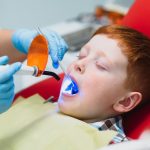

It can be frustrating for parents to hear that their child has a new cavity, especially if it is in a tooth that has already been treated. You might feel like you are doing everything right, brushing twice a day and limiting sweets, yet the same problem area keeps appearing.
When it comes to dental fillings for kids in Springboro, understanding why decay returns to the same spot is the first step toward breaking the cycle.
Cavities aren’t always about a lack of effort; often, they are about the unique shape of a tooth or specific habits that make one area more vulnerable than others.
What is The Role of Tooth Anatomy and Deep Grooves
Sometimes, the way a tooth is built makes it a natural magnet for bacteria. Not every tooth surface is smooth, and many children have deep pits and fissures that are nearly impossible to clean with a standard toothbrush.
- Deep Pits – Molars often have deep “valleys” where food particles get trapped and begin to rot.
- Enamel Thickness – Some children have naturally thinner enamel in certain areas, making it easier for acid to penetrate.
- Tight Spaces – If two teeth are very close together, they create a “trap” where plaque stays hidden despite brushing.
- Professional Help – A pediatric dentist in Springboro can often identify these anatomical risks during a routine exam and suggest sealants to smooth out those deep grooves.
Understanding Recurrent Decay Around Fillings
When a cavity forms again in a tooth that already has a restoration, it is known as “recurrent decay.” This happens when bacteria find a way to seep under the edges of the previous work.
- Micro-Gaps – Over time, the bond between a filling and the tooth can develop tiny gaps that are invisible to the eye but large enough for bacteria to enter.
- Wear and Tear – Kids are tough on their teeth; chewing hard candies or ice can cause minor chips at the edges of fillings.
- Incomplete Cleaning – If the original decay was very deep, the area remains high-risk for future issues.
- Local Resources – If you are worried about a loose restoration, searching for dental fillings for kids can help you find a specialist to repair the seal before the hole gets deeper.
Are Repeated Cavities Normal in Children?
Many parents worry and ask, are repeated cavities normal in children? While they are common, they usually indicate that a specific risk factor hasn’t yet been fully addressed.
It is often a sign that the “environment” of that specific tooth needs a change.
- High-Risk Areas – If a child has a “favourite” side to chew on, those teeth are exposed to more food debris and sugar.
- Saliva Flow – Some children have a lower saliva flow, which is the mouth’s natural way of washing away acid.
- Oral Microbiome – Every mouth has a different balance of bacteria; some kids have more of the specific bacteria that cause decay.
- Specialised Care – Consulting with pediatric dentistry near you allows you to create a personalised plan to alter the chemistry of your child’s mouth.
What are the Habits That Target Specific Teeth
Sometimes the “where” of a cavity is a direct result of “how” a child eats or drinks. Certain behaviours can bathe specific teeth in sugar, while others keep those teeth relatively clean.
- Pocketing Food – Some kids “chipmunk” their food, holding it in one cheek for a long time before swallowing.
- Sipper Habits – Frequent sipping of juice or milk throughout the day keeps the back molars in a constant state of acidity.
- Mouth Breathing – Children who breathe through their mouths at night often develop dry spots on their front teeth, which can weaken the enamel.
- Nighttime Routines – If a child has a snack or milk after brushing but before bed, the sugar sits on the teeth all night.
How to Prevent Cavities in the Same Tooth
Breaking the cycle of repeated decay requires a proactive approach that goes beyond just the toothbrush. Knowing how to prevent cavities in same tooth involves a mix of better tools and smarter habits.
- Fluoride Treatments – Professional fluoride applications help “armour” the enamel, making it much harder for acid to cause damage.
- High-Quality Flossing – If the cavity is between teeth, flossing is the only way to reach the source of the problem.
- Xylitol Products – Xylitol is a natural sweetener that actually kills decay-causing bacteria; ask your dentist about kid-safe rinses or gums.
- Strategic Snacking – Encourage “cleansing” foods like apples or carrots at the end of a meal to help scrub the tooth surfaces.
Protecting Your Child’s Healthy Smile
Seeing the same dental problems happen again can be frustrating, but proper care can help protect your child’s teeth from future decay.
By addressing each tooth’s needs and maintaining regular dental visits, you can break the cycle of cavities. Every child deserves a healthy, pain-free smile, and we’re here to help you build a routine that works for your family.
At Wright Smiles Pediatric Dentistry, we provide gentle, kid-friendly care focused on long-term oral health. Our team helps parents understand their child’s dental needs and offers clear, effective solutions in a positive, welcoming environment.
If you’re concerned about your child’s dental health, contact us today to schedule a consultation.
Getting here is simple — just follow us on Google Maps for the best route. 📍
FAQs
Why does my child get cavities even though they brush?
Brushing often misses the tight spaces between teeth or the deep grooves on top; if these areas aren’t flossed or sealed, cavities can still form.
Can a cavity spread from one tooth to another?
Yes, decay is an infection caused by bacteria; if one tooth is decayed, the bacteria can easily spread to neighbouring teeth, especially if they are touching.
Are baby tooth cavities a big deal?
They are very important because baby teeth hold space for adult teeth; if a baby tooth is lost too early, it can cause severe crowding later.
How often should my child have dental X-rays?
For children with a high risk of recurrent cavities, X-rays are usually recommended every 6 months to detect “hidden” decay between the teeth early.