Taking your child to the dentist can sometimes feel like a big challenge, especially if they are scared or cannot sit still.
While many children do well during routine checkups, some situations require extra support to keep them calm and safe.
Talking to a trusted pediatric dentist in Springboro is the best way to find a gentle solution for a nervous child. Relaxing methods help young patients receive the essential dental care they need without pain or stress.
Let us look closely at when these helpful calming methods are used and how they protect your child’s smile.
Managing Severe Dental Fear and High Anxiety
It is very common for young children to feel scared by loud noises, bright lights, and unfamiliar tools in a clinic.
For some kids, this fear is so strong that it stops them from opening their mouths or letting the team help them.
- Calms Sudden Panic: Special relaxation methods help a child calm down before the visit even starts.
- Creates Happy Memories: Helping a child stay relaxed ensures they do not leave the clinic with bad, scary memories of the dentist.
- Prevents Future Fear: Keeping visits stress-free now helps your child feel much more confident about dental care as they grow up.
- Finding Local Solutions: Exploring options for pediatric sedation dentistry in Springboro gives parents a safe way to help their anxious children get through treatments more easily.
When a Child Needs a Lot of Dental Work at Once
- Fixing Multiple Cavities: If a child has several deep cavities on different sides of their mouth, calming methods help the team address them simultaneously.
- Saves You Time: Combining multiple fixes into a single visit means you do not have to keep driving back for multiple separate appointments.
- Prevents Child Fatigue: Young kids tire easily, and relaxation techniques help them rest comfortably during a long procedure.
- Keeps the Mouth Rested: Staying relaxed stops jaw muscles from getting sore when a lot of detailed work is needed.
- Finding the Best Care: Finding a gentle pediatric dentist near you ensures that long, complex treatments are handled safely while your child rests.
Comparing the Different Calming Options for Kids
| Type of Calming Method | How It Is Given to the Child | How It Makes the Child Feel | Best Used For |
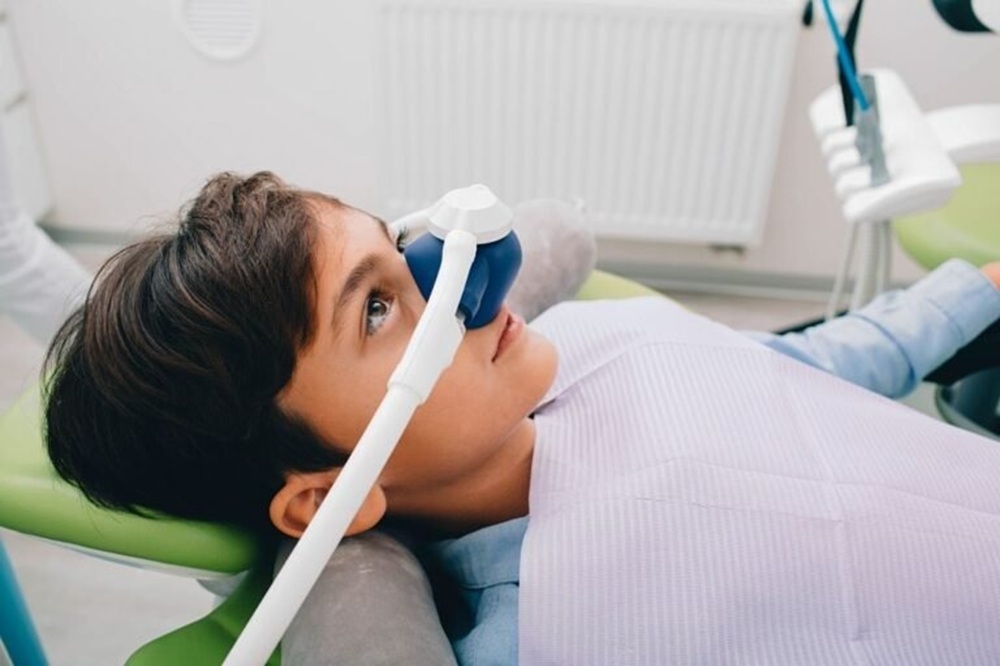
| Laughing Gas | Breathed in through a small, comfy nose mask | Happy, relaxed, and slightly giggly but fully awake | Simple fillings and short, normal visits |
| Oral Sedation | Swallowed as a small cup of liquid medicine | Very drowsy, calm, and likely to drift into a light sleep | Medium dental work or for highly anxious kids |
| IV Deep Sedation | Given through a tiny tube in the arm or hand | Deeply asleep and completely unaware of the treatment | Long surgeries or severe dental fears |
Helping Children with Special Healthcare Needs
Children with learning, physical, or behavioral conditions often find regular dental visits extra difficult.
Conditions like autism, down syndrome, or muscle spasms can make it hard to understand instructions or stay completely still in the chair. Calming methods provide a safe environment where these wonderful kids do not have to worry about controlling their movements.
This special care ensures that every child receives the same high-quality dental treatment in a way that feels completely safe, respectful, and comfortable.
Staying Safe and Steady During Complex Oral Surgery
- Stops Sudden Movements: Keeps a child perfectly still so the team can use sharp tools without any risk of accidental cuts.
- Blocks Extra Pain: Works alongside numbing medications to help your child feel no sharp pinches or pressure during surgery.
- Controls Gagging: Relaxes the throat muscles so a sensitive child does not gag or choke while the team is working.
- Speeds Up the Work: Allows the team to work much faster because they do not have to pause to calm the child down constantly.
- Checking Helpful Options: Learning more about pediatric sedation dentistry near you helps you choose the right level of comfort for your child’s upcoming surgery.
Steps to Prepare Your Child for Their Appointment
- Follow Fasting Rules: Keep your child from eating or drinking anything for several hours before the visit as directed by the team.
- Dress in Loose Clothes: Put your child in cozy, loose pajamas or a t-shirt so the safety monitors can be attached easily.
- Keep Explanations Simple: Tell your child they are just going to take a nice nap or breathe in some happy air at the office.
- Stay Calm Yourself: Children mirror their parents’ feelings, so staying positive and relaxed helps them feel safe too.
Gentle and Safe Dental Care for Your Child’s Bright Smile
Helping your child feel safe and comfortable during dental visits is important for building healthy habits and protecting their smile.
At Wright Smiles Pediatric Dentistry, our caring team provides gentle dental care designed around your child’s unique needs and personality. We focus on creating a calm, welcoming environment where children feel relaxed, and parents feel confident.
Our goal is to make every visit as comfortable and stress-free as possible while helping your child maintain a healthy, strong smile.
Contact our office today to schedule your child’s appointment and learn more about our pediatric dental care services.
FAQs
Is dental sedation safe for young children?
Yes. Pediatric dental sedation is carefully planned based on your child’s age, weight, and health. The dental team closely monitors your child during the entire visit to help keep them safe and comfortable.
How long does the sedation last?
Laughing gas usually wears off within a few minutes after treatment. Stronger sedation methods may take a few hours to wear off fully, so your child may need to rest at home afterward.
Will my child remember the dental treatment?
With laughing gas, children are usually awake and may remember the visit. With stronger sedation, children may remember very little or nothing about the procedure.
What can my child eat after the appointment?
Start with water or juice, then offer soft foods like yogurt, applesauce, pudding, or soup until your child feels ready for regular meals again.